
ICE PERFORMANCE LAB · HOCKEY MEDICINE & PERFORMANCE
Better decisions.
Stronger returns.
Practical, evidence-informed thinking for ice hockey health, return to play and performance. From the first assessment to the next shift on the ice.
Player Record demo · Measurements, concussion follow-up and player history.
Player start and clinician workspace · local demo and separate Player Journal.
Built for the realities of hockey

ONLINE TEST WORKSPACE
Open your assigned workspace
Sign in with your existing account. Your role determines which assigned records you can access.
Current pilot: fictional test data only. Saving uses the shared online workspace. Access requires an existing account assignment. No automatic sport clearance.
Try the local demo tools instead →PLAYER START
What would you like to do?
Choose a tool. Your existing entries remain in their original workspace.
Player Record is a local demo; Player Journal is a separate diary in this browser. There is no automatic data synchronisation or medical clearance.
Watch the introduction · 3 minutes →Professional view / measurements and reports →QUICK INTRODUCTION
See how Ice Performance Lab works
A 3-minute illustrated guide to the current Player Record workflow, with lounge music.
Music: Bossa Antigua — Kevin MacLeod (incompetech.com) · CC BY 4.0 · Excerpt, volume adjustment and fades. / Ausschnitt, Lautstärke angepasst, ein- und ausgeblendet.
Four connected areas
The whole player. The whole season.
Ice hockey decisions rarely sit in a single box. Explore the questions that connect health, rehabilitation, training load and practical tools.
Hockey Health
Injury patterns, prevention and the medical questions that matter in a fast, physical sport.
Notice early. Assess clearly. Act safely.
Explore Hockey Health →Return to Play
Progress from off-ice capacity to on-ice work, contact and game demands with clear checkpoints.
Can play? Should play? Can perform?
Explore Return to Play →Performance & Load
Connect workload, recovery and readiness across practices, games and congested schedules.
Build capacity. Track response. Adjust.
Explore Performance & Load →Tools & Resources
Decision prompts, checklists and simple tracking ideas designed for use at the rink and in the clinic.
Make the next decision easier.
Explore Tools & Resources →The book’s practical lens
Start with what matters on the ice.
The developing Ice Performance Lab field guide gives more space to problems with greater hockey relevance: how often they occur, their severity, time away from play and what can realistically be changed.
Build capacity
Groin and hip, knee, shoulder and contact demands call for preparation that reflects the player’s position and season phase.
Read the response
Training and games are only part of the picture. Look at symptoms, perceived effort, recovery, sleep and changes over time.
Choose the next exposure
A return progresses from function away from the rink to controlled skating, hockey tasks, contact and game readiness, with reassessment at each step.
This priority lens guides the book’s structure; it is not a validated score for an individual player’s medical risk.
From evidence to the bench
Useful when the game moves fast.
Ice Performance Lab brings clinical reasoning and hockey-specific demands into one practical framework. The goal is a clearer next step for players and the people supporting them.
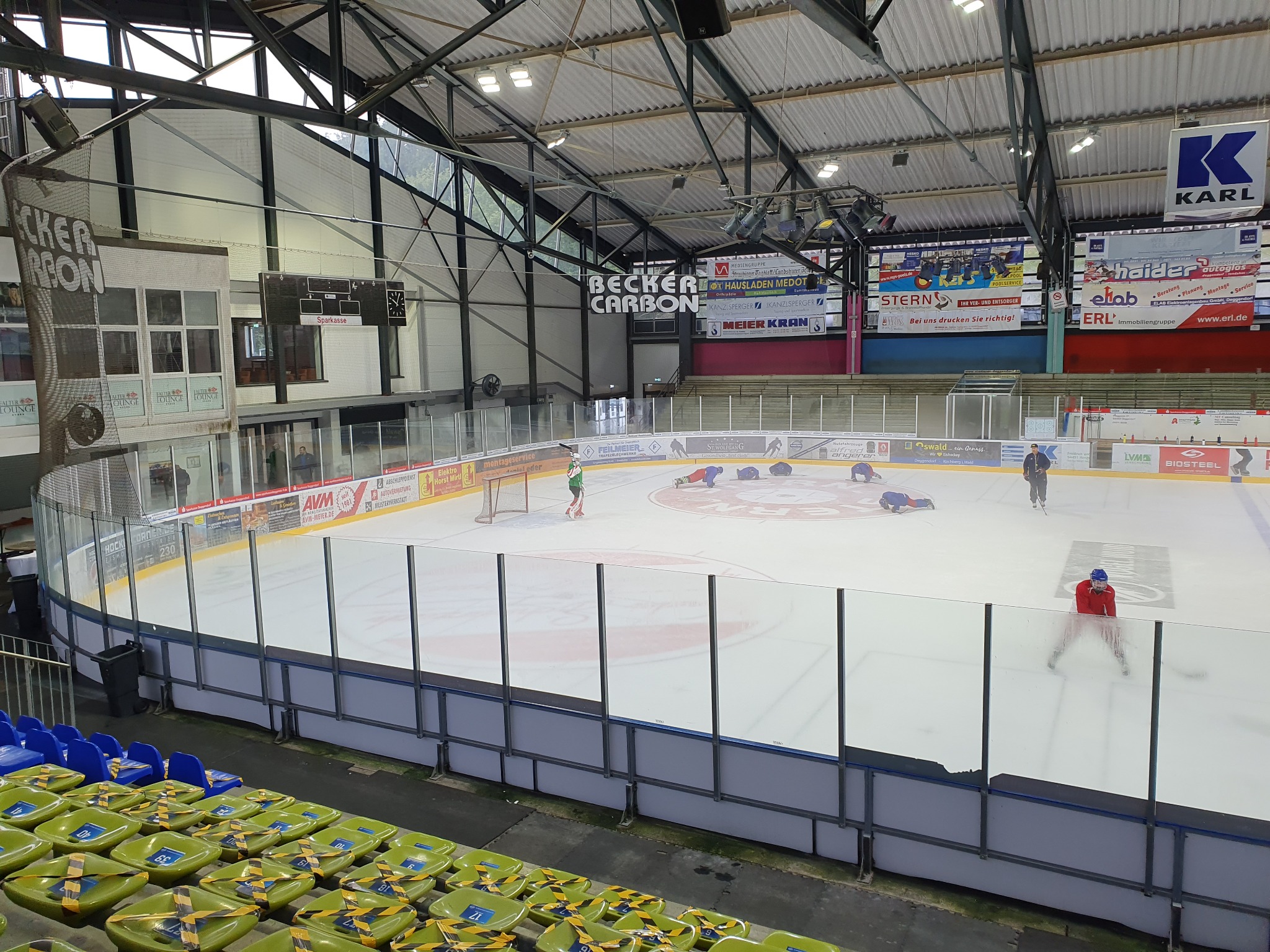
Season Lifecycle
One framework. Four modes.
Priorities shift through the season. Safety decisions, especially after suspected concussion, stay anchored to medical assessment.
BUILD
Baseline, previous injuries and gradual exposure from off ice to full game load.
MAINTAIN
Monitor load, sleep and recovery; decide whether to train, modify or stop.
PLAY
Balance availability, performance and risk without relaxing medical safety rules.
RESET
Recover, review persistent issues and build the next season from what was learned.
Return to ice · Return to performance
More than a pain-free shift.
Return to play is a progression of function and exposure. The question changes at each stage: what has the player shown, what remains uncertain and what should come next?
Function
Review symptoms, movement, strength and the demands of daily activity.
Controlled skating
Introduce planned skating exposure and observe the response.
Sport tasks
Build non-contact, position-relevant work and changing intensity.
Full practice
Consider contact demands when medically appropriate and reassess tolerance.
Readiness
Bring function, confidence, exposure and medical judgment together.
A checklist can document the journey; it cannot grant clearance. Suspected concussion and other red flags require appropriate medical assessment and their own safety pathway.
A practical decision language
GO · MODIFY · STOP
The book uses a simple traffic-light vocabulary to prompt a better question at the rink. It does not replace an examination or a diagnosis.
GO / Green
Follow the planned progression when the response is as expected and no new concern appears.
MODIFY / Yellow
Reassess and adapt exposure when symptoms, fatigue or recovery trends raise concern.
STOP / Red
Stop participation and seek appropriate medical assessment when acute injury or concerning signs appear.
Practical resources
Built to use, not just to read.
The resource library is being developed around decisions that come up again and again in hockey medicine.
Return checkpoints
Structure progression and document what has been tested before the next exposure.
Load & recovery
Follow trends in training response, fatigue and readiness across the schedule.
Green · Yellow · Red
Frame the question: continue, modify, or pause and reassess.
MEDICAL & EDITORIAL BACKGROUND
Dr. Tamás Bányai
Founder & Medical Editor · Ice Performance Lab
An orthopaedic specialist practising in Bavaria, Germany, Dr. Bányai holds a specialist qualification in sports medicine obtained in Hungary. Since the 2014/15 season, he has worked as a team physician in competitive ice hockey, caring for adult and youth players.
Ice Performance Lab combines his clinical and rink-side experience with published evidence to provide practical guidance on injury prevention, load management and medically supervised return to sport.